C-15 3rd Floor, Amar Colony Main Market,
Lajpat Nagar - 4,
New Delhi - 110024, India
Most teams don’t think about CSS in isolation. It usually comes up when something feels off on the interface. Layout breaks on certain screens. Components don’t behave consistently. Small issues, but they add up. What starts as a styling fix often leads into deeper questions. How the frontend is structured. Whether design systems are being followed or stretched. How responsive behaviour is handled across devices. We’ve seen cases where a quick adjustment worked for the moment, but created inconsistencies elsewhere. Overlapping styles, unused code, performance dips. That’s when it becomes less about fixing and more about aligning how the interface is built. In practice, CSS decisions tend to connect with larger frontend choices. Component structure, asset loading, even how updates are managed over time. That’s usually where exploration expands a bit. Not dramatically. Just enough to keep the interface stable as it grows.
Some teams reach out when the interface starts to feel inconsistent. Pages built at different times, different styles creeping in. Nothing visibly broken, but not quite aligned either. Others come with more specific concerns. Layout issues across devices. Elements behaving differently in different browsers. Small things, but they affect how the product feels in use. We’ve worked with startups still shaping their frontend, and also with established platforms where CSS had grown layer by layer over time. In both cases, the challenge wasn’t just styling. It was making things predictable again. Sometimes the ask is clear. Clean up, standardise, make it easier to manage. In other cases, it’s more exploratory. Trying to understand why simple changes are becoming difficult. What tends to stand out is the shift in focus. From how it looks, to how reliably it behaves across screens.
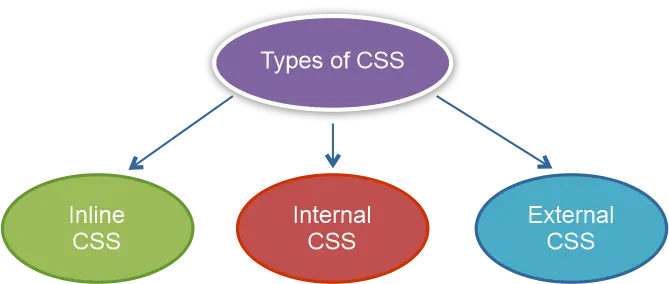
Because inline styling is a maintenance nightmare. JIL’s technical team separates your design from your data. This makes your website load 10x faster and allows us to update the look of 100 pages by changing just one file. It’s the difference between a "amateur" site and a professional, scalable platform.
Yes 100%. JIL frontend design team uses fluid grids and modern CSS techniques so your site scales perfectly. Whether it’s a Smart Phone, a tablet, or a massive desktop, our frontend craftsmen ensure the "touch-points" work and nothing overlaps. We’ve been building responsive layouts since before "mobile-first" was even a buzzword.
Absolutely. We’ve seen every browser war since the late 90s. We write CSS that follows W3C standards to ensure your layout doesn't "explode" on older versions of Safari or Firefox. JIL technical team tests for stability across all platforms so you don't lose a single lead due to a broken button.
If your website text is overlapping or website images are not aligned properly, our technical craftsmen can dive into the source code and clean it up. Our Tech team can strip out the bloated CSS and fix the "ghost" spaces that drive users away. This gives your old website a much-needed performance boost.
Yes! Our tech wizards use them if the project demands it, but not as a "crutch." If project demands lightweight, custom solution, then our tech team hand-code raw CSS from scratch. JIL's technical team chooses the tool that actually fits your specific business goals—not just whatever is "trending" this week.
Yes. Google hates "heavy" sites. By using clean, external CSS, we reduce the file size of your pages. Faster load times & better mobile scores mean higher rankings. Good CSS isn't just about "looking pretty"; it’s about making your site lean & fast for search engine bots to crawl.